CGWEB NETWORKSSITE INFRASTRUCTURE Discuss Your Site

Production of sheet metal for electrical distribution boxes

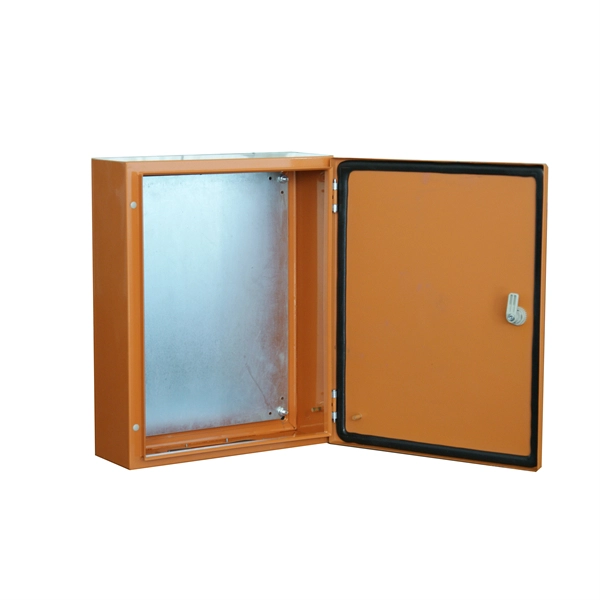
Electrical distribution boxes are custom-fabricated from sheet metal using precision cutting, bending, welding, and finishing processes to ensure durability, safety, and compliance with industry standards.

Overview of Sheet Metal Fabrication

Sheet metal fabrication for electrical distribution boxes involves cutting, bending, forming, welding, and assembly of metal sheets to create enclosures that protect electrical components from environmental hazards, mechanical damage, and electromagnetic interference. The process typically begins with CAD design, which is converted into machine code for CNC equipment, ensuring precise dimensions and tight tolerances, often within ±0. 1 mm.

Materials Used

Common materials for distribution boxes include: Stainless Steel (304/316L): Offers high corrosion resistance and durability, suitable for harsh or outdoor environments. Carbon Steel: Strong and cost-effective, often coated or painted to prevent rust. Aluminum (5052/6061): Lightweight, corrosion-resistant, and easy to machine or weld; ideal for portable or outdoor applications.

Galvanized or Galvanneal Steel: Provides additional corrosion protection for wet or outdoor conditions. Material selection depends on environmental exposure, mechanical requirements, and longevity.

Fabrication Processes

Key steps in manufacturing sheet metal distribution boxes include: Cutting: Laser cutting, waterjet, or CNC punching to shape metal sheets accurately. Bending and Forming: Press brakes and rollers create the box shape, including stiff hems or flanges for structural integrity. Welding and Assembly: TIG, MIG, or spot welding joins parts securely while maintaining dimensional accuracy.

Surface Treatment: Powder coating, anodizing, plating, or painting enhances corrosion resistance and aesthetics. Finishing and Testing: Includes dimensional inspection, sealing tests, and mechanical strength verification to meet IP/NEMA ratings.

Design Considerations

Effective distribution box design addresses: Size and Accessibility: Adequate space for components and maintenance access, including hinged doors or removable panels. Thermal Management: Louvers, vents, or fans to prevent overheating. Ingress Protection: Ratings like IP54, IP65, or NEMA 4X to protect against dust and water.

EM

I Shielding: Conductive enclosures prevent electromagnetic interference. Customization: Modular designs, cable management, and mounting options tailored to specific applications.

Applications

Sheet metal distribution boxes are widely used in: Industrial and Manufacturing: Control panels, sensor enclosures, and automation systems. Telecommunications and Data Centers: Server racks, junction boxes, and network equipment housings. Renewable Energy: Solar inverter boxes, wind turbine control cabinets.

Construction and Entertainment: Portable power distribution units for temporary setups. Automotive and Aerospace: Battery enclosures, engine compartment boxes, and avionics housings.

Advantages of Custom Fabrication

Precision Fit: Tailored to exact component dimensions. Enhanced Protection: Against moisture, dust, and mechanical impact. Material and Finish Flexibility: Optimized for environment and durability.

Aesthetic and Branding Options: Custom finishes, logos, and colors. Rapid Prototyping and Mass Production: From single prototypes to high-volume runs with consistent quality.

Leading Practices

Modern fabrication leverages automation, CNC machinery, and advanced coating techniques to improve precision, reduce waste, and ensure compliance with ISO, UL, and CE standards. Collaboration with experienced fabricators ensures optimal design, cost efficiency, and long-term reliability of electrical distribution boxes.

Production of sheet metal for electrical distribution boxes

Box Production Process for Electrical Enclosures

Box production process for electrical enclosures—steps from material planning to inspection, with solutions to plasma cutting issues.

Distribution Box Manufacturing Process | Custom

Learn the step-by-step distribution box manufacturing process—from design and material selection to assembly and testing. E-abel provides high-quality electrical

Electrical Enclosure Manufacturing: Step-by-Step Production Guide

Discover the complete electrical enclosure manufacturing process, including acid pickling, assembly, surface finishing, and quality testing.

Custom sheet metal box fabrication for electrical enclosures

Explore the comprehensive guide to custom sheet metal box fabrication tailored for electrical enclosures. Discover essential techniques, materials, and benefits of custom metal

Guide to Sheet Metal Fabrication for Electrical Enclosures

A step - by - step guide to sheet metal fabrication for electrical enclosures—covering cutting, CNC machining, bending, welding, and finishing. Ensure quality with strict process controls.

OEM Sheet Metal Distribution Box

Our OEM/ODM services cover all-stage production from CAD design to precision fabrication, supporting stainless steel, aluminum, and carbon steel

Corporate

Emerson delivers leading automation solutions and technology to help industries innovate for a safer, smarter and more sustainable world.

NYT Connections archive

Every NYT Connections puzzle ever published is listed here, organised by date, with all four category groups and their sixteen words. The NYT only offers the current day''s puzzle for free,

WordHTML

WordHTML - Online Converter, Editor and Cleaner Free online Word to HTML converter with built-in code cleaning features. Open, edit and save Word

What you need to know about the manufacturing process of distribution boxes

Distribution boxes – the unsung heroes tucked away in utility closets or basements – are more than just metal shells. They''re sophisticated control centers managing electricity flow safely.

Box Production Process for Electrical Enclosures

The box production process for electrical enclosures is a systematic workflow ensuring the manufacturing of high-quality electrical boxes, meter boxes, cabinets, and GGD enclosures. This

Industrial Metal Enclosures & Custom Sheet Metal Fabrication

Sheet Metal Processing & Manufacturing Includes cutting, bending, punching, welding, surface finishing, and assembly of enclosures for various industries such as automotive, electronics, and industrial

Distribution Box Manufacturing Process | Custom Electrical Enclosure

A distribution box is an essential component in electrical engineering, widely applied in residential, commercial, and industrial projects. Customers today not only care about the performance of the

Metal Enclosures & Metal Project Boxes for Electronics

Polycase offers metal boxes and enclosures in aluminum, steel or stainless steel. Shop for indoor and outdoor metal electrical project box applications here!

Services

Product & Services » Encloser & Distribution Boxes Precision-Built. Performance-Driven. Protect your electrical systems with Ganga Metco''s high-quality Sheet

Automatic Power Distribution Box Production Line

Guarantee of Quality Superda guarantee bank steel enclosure & wall mounted electric distribution box roll forming line design accordance with clients required

Power Distribution Boxes

As industry leaders in Power Distribution Box manufacturing, we deliver precision-engineered solutions that ensure safe and efficient power distribution. Our custom-made boxes feature superior

Electrical Panel Enclosure Fabrication: Sheet Metal

Complete guide to electrical panel enclosure fabrication in 2026: laser cutting, CNC punching, press brake bending, and finishing machines. Process

Technical note

This reference is intended for preliminary fiber and communications infrastructure research. Optical interface, fiber type, port or core capacity, electrical input and output, enclosure protection, cooling, installation limits and applicable standards must be verified for the specific project.

Turn Your Site Brief into Clear Equipment Questions

Send the enclosure, fiber access and power requirements by email or WhatsApp. Include drawings where available.

Discuss the Equipment Scope